Yelagin Palace
- Location4 Yelagin Island, St Petersburg
- StatusHeritage site of federal significance, part of the Yelagin Island ensemble
- Whose experienceSpecialists from Vadim Endovitckii's team
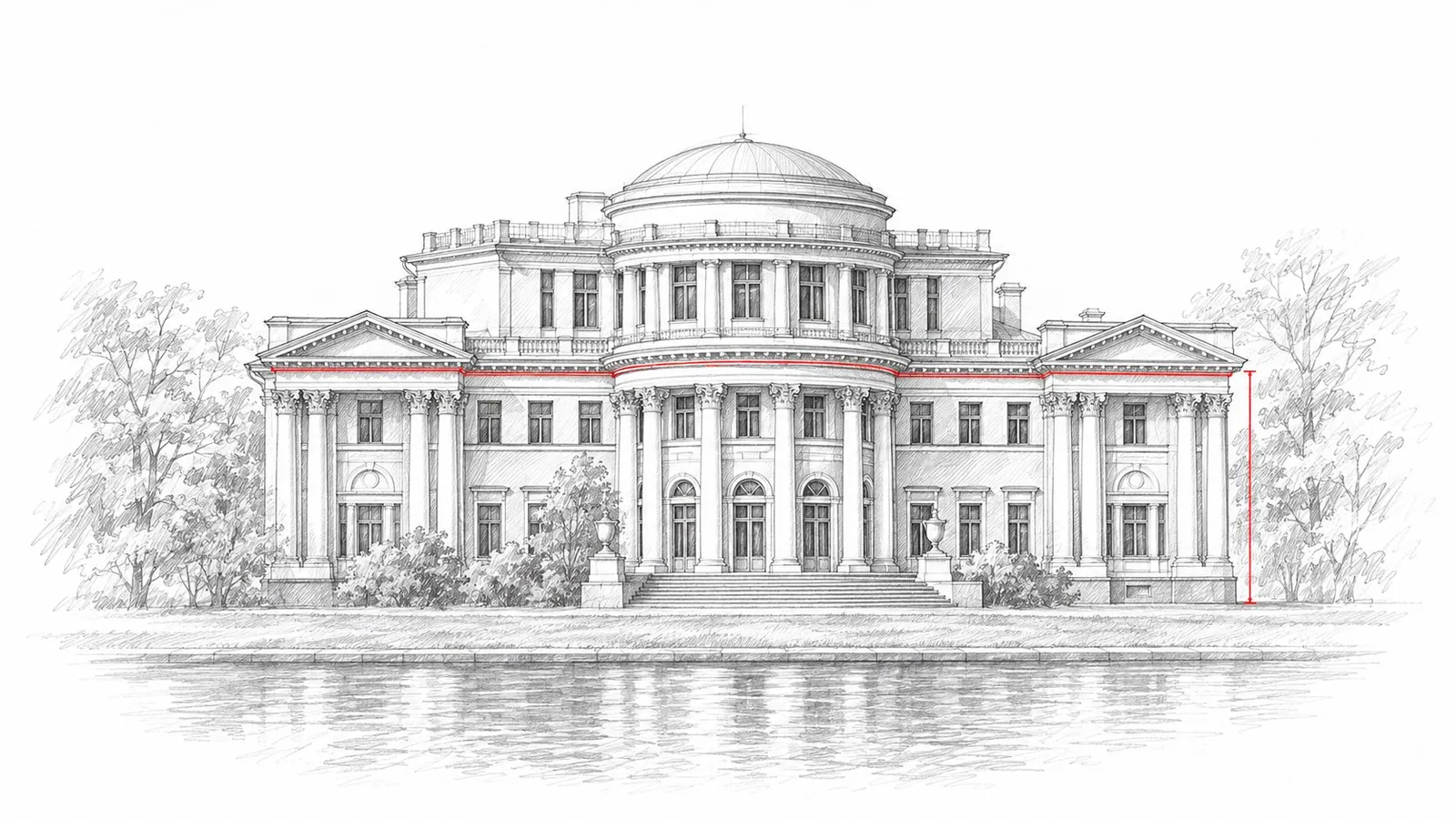
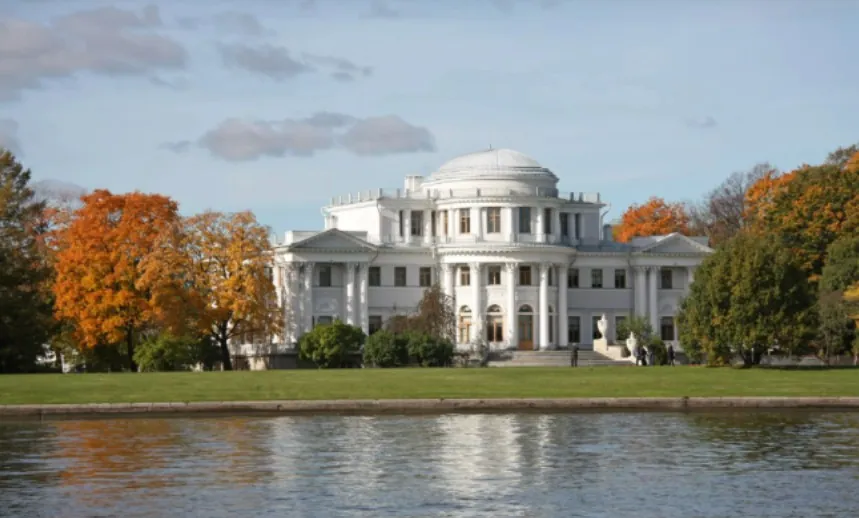
History of the house in 3D
Scroll down: Yelagin's house will rise on the island, Rossi will turn it into a palace with a dome and a semi-rotunda, in 1942 only the walls of the palace will remain, and a cutaway will reveal the floors of the post-war reconstruction.
- [01]1777
Yelagin's island
The island was bought by Ivan Yelagin, Ober-Hofmeister of the Court, who became its fifth private owner. Yelagin's name has stayed with the island ever since.
- [02]c. 1785
Yelagin's house
In the eastern, highest part of the island Yelagin built a two-storey stone house in the Palladian manner. The architect is not known for certain; it is thought to have been Giacomo Quarenghi. Around 1790 a house church was consecrated on the upper floor.
- [03]1818-1822
Rossi raises the palace
The island was bought by the Crown for the Dowager Empress Maria Feodorovna, and the rebuilding was entrusted to Carlo Rossi. He kept the foundations, basements and walls of Yelagin's house, set the building on a high stylobate with a terrace all round, and added a third storey with a dome.
- [04]1818-1822
Porticoes and the semi-rotunda
The palace faces Maslyany Meadow with a six-column Corinthian portico, its corners have pedimented porticoes, and a semi-rotunda with six columns and a fan-shaped staircase looks out onto the Middle Nevka. On 22 July 1822 the Church of St Nicholas was consecrated on the third storey.
- [05]1942
Fire during the Siege
On 16 January 1942, during artillery shelling, two incendiary shells pierced the roof and exploded in the basement. The fire destroyed the floors and all the interiors, leaving only the bare load-bearing walls.
- [06]1946-1961
The first complete reconstruction
In 1946 the architect V. M. Savkov measured the ruins and gathered the surviving fragments of decoration. In 1952-1960 the palace was restored to a design by M. M. Plotnikov: new floors, a roof and a dome were built within the surviving walls. It was the first complete reconstruction of a palace building in Leningrad.
- [07]1987-2026
Museum and restoration
Since 1987 the palace has housed a museum of decorative and applied art and interiors. The facades were restored in 2006-2012, the interiors in 2016-2021 and the western staircase with lions in 2024. The team's specialists worked on the palace's restoration and adaptation for modern use and on designer's supervision.
The model is based on open data: the outline comes from OpenStreetMap, the layout of the palace from descriptions by the Kirov Central Park of Culture and Leisure and in the reference book “Architectural and Historical Monuments of St Petersburg”, and the dimensions of the third storey, dome and semi-rotunda, the heights and the window axes from photos and a satellite image. The surroundings come from OpenStreetMap, and the bank of the Middle Nevka follows the edge of the park on the map. Yelagin's house is shown schematically, following the outline of the present walls; the western ramps and the lions are not shown.
Part of the Yelagin Island heritage site of federal significance. Restoration and adaptation for modern use, designer's supervision.
This is the experience of specialists who now work in Vadim Endovitckii's team, from their earlier projects, not from the company's contracts.
In 1777 the island was bought by Ivan Yelagin, Ober-Hofmeister of the Court, and his name stuck to it. Around 1785, or according to other sources in the second half of the 1780s, his two-storey stone house in the Palladian manner was built in the eastern, highest part of the island. The architect is not known for certain; it is thought to have been Giacomo Quarenghi. Around 1790 a house church of St John of Damascus was consecrated on the upper floor.
In 1817 the Crown bought the island from Count G. V. Orlov for 350,000 roubles as a summer residence for the Dowager Empress Maria Feodorovna. Carlo Rossi was appointed chief architect of the rebuilding, and the park was replanned by the garden master J. Busch. Rossi kept the foundations, basements and walls of Yelagin's house, added a third storey with a dome and raised the building on a high stylobate with a terrace all round. The palace faces Maslyany Meadow with a six-column Corinthian portico and the Middle Nevka with a semi-rotunda. On 22 July 1822 the Church of St Nicholas was consecrated on the third storey, and from 1826 the palace was the summer residence of the family of Nicholas I.
After the revolution the palace housed a museum of history and everyday life, which closed in 1929. On 16 January 1942 (1 January according to a 2004 reference book), during artillery shelling, two incendiary shells pierced the roof and exploded in the basement. The fire destroyed the floors of the two lower storeys and all the interiors, leaving only the bare load-bearing walls. In 1946 the architect V. M. Savkov measured the ruins and gathered the surviving fragments of decoration, and in 1952-1960 the palace was restored to a design by M. M. Plotnikov. It was the first complete reconstruction of a palace building in Leningrad.
Since 1987 the palace has housed the Yelagin Island Palace Museum of Russian Decorative and Applied Art and Interiors of the 18th-20th Centuries. The facades were restored in 2006-2012 and the interiors in 2016-2021, and the museum reopened on 13 April 2021. In 2024 the western staircase with lions was restored.
Sources:
- Citywalls: Yelagin Palace
- Citywalls: Yelagin Palace, continued
- Kirov Central Park of Culture and Leisure: Yelagin Island Palace
- Kirov Central Park of Culture and Leisure: Yelagin Island Palace Museum
- Kirov Central Park of Culture and Leisure: history of the park
- Wikipedia: Yelagin Palace
- Encyclopaedia of St Petersburg: Yelagin Palace
- Delovoy Peterburg: the palace reopens after restoration, 2021
- OpenStreetMap: palace outline
Other team projects
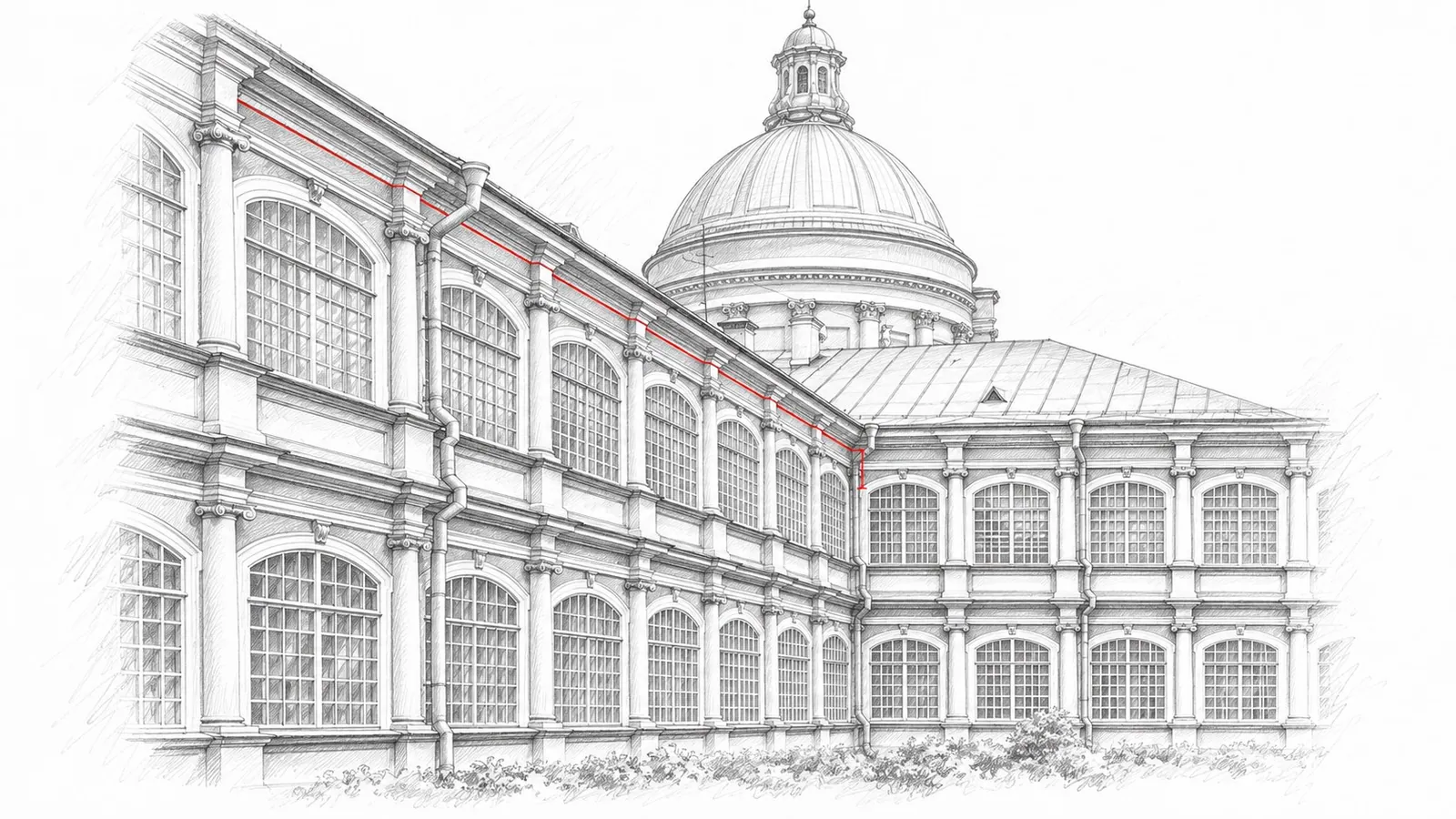
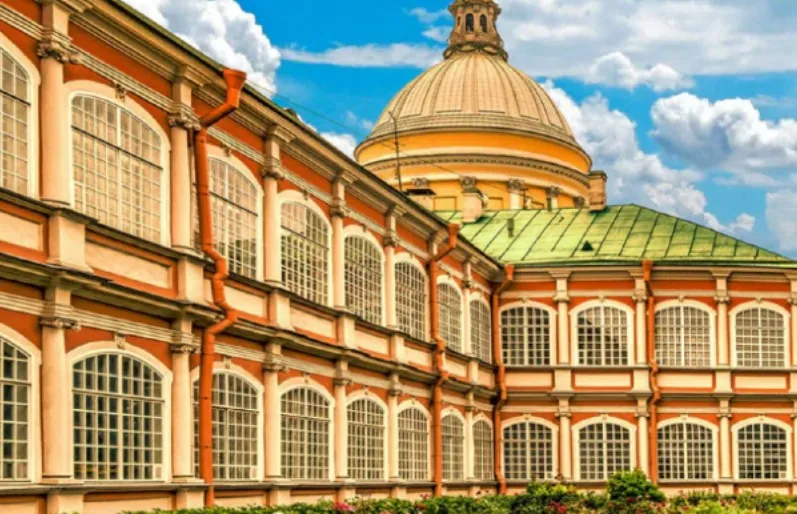 photo3D
Dukhovskoy Building
Part of the Alexander Nevsky Lavra heritage site of federal significance. Comprehensive restoration and adaptation, designer's supervision.
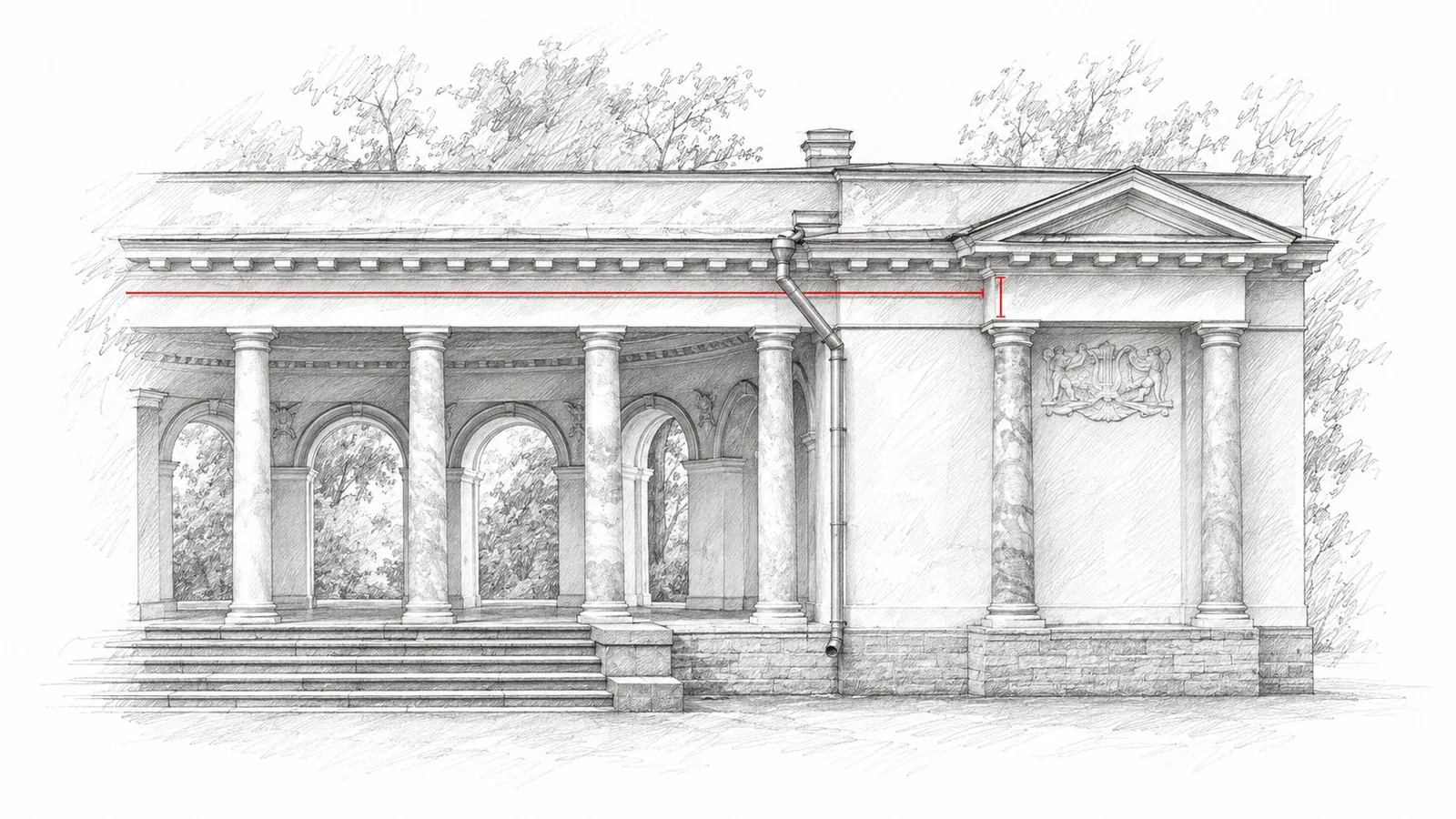
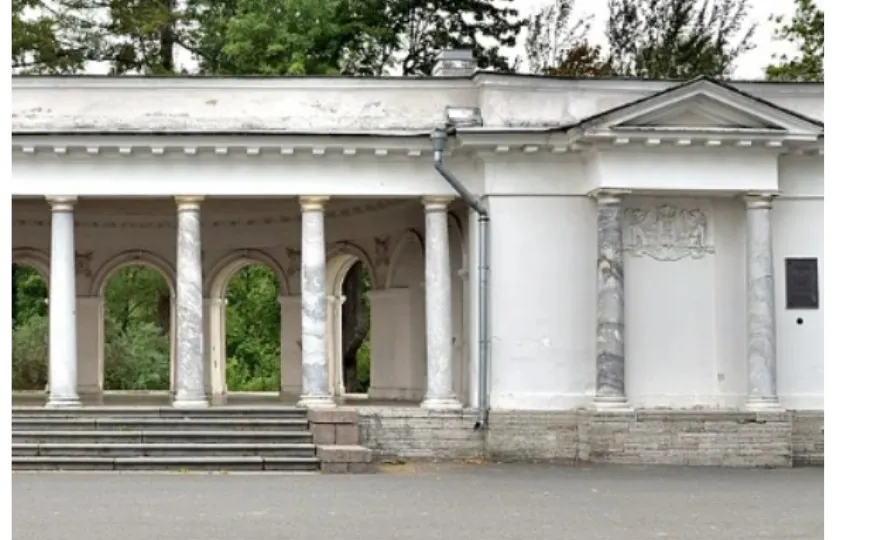 photo3D
Music Pavilion
Located on Yelagin Island. Restoration and adaptation for modern use, designer's supervision.
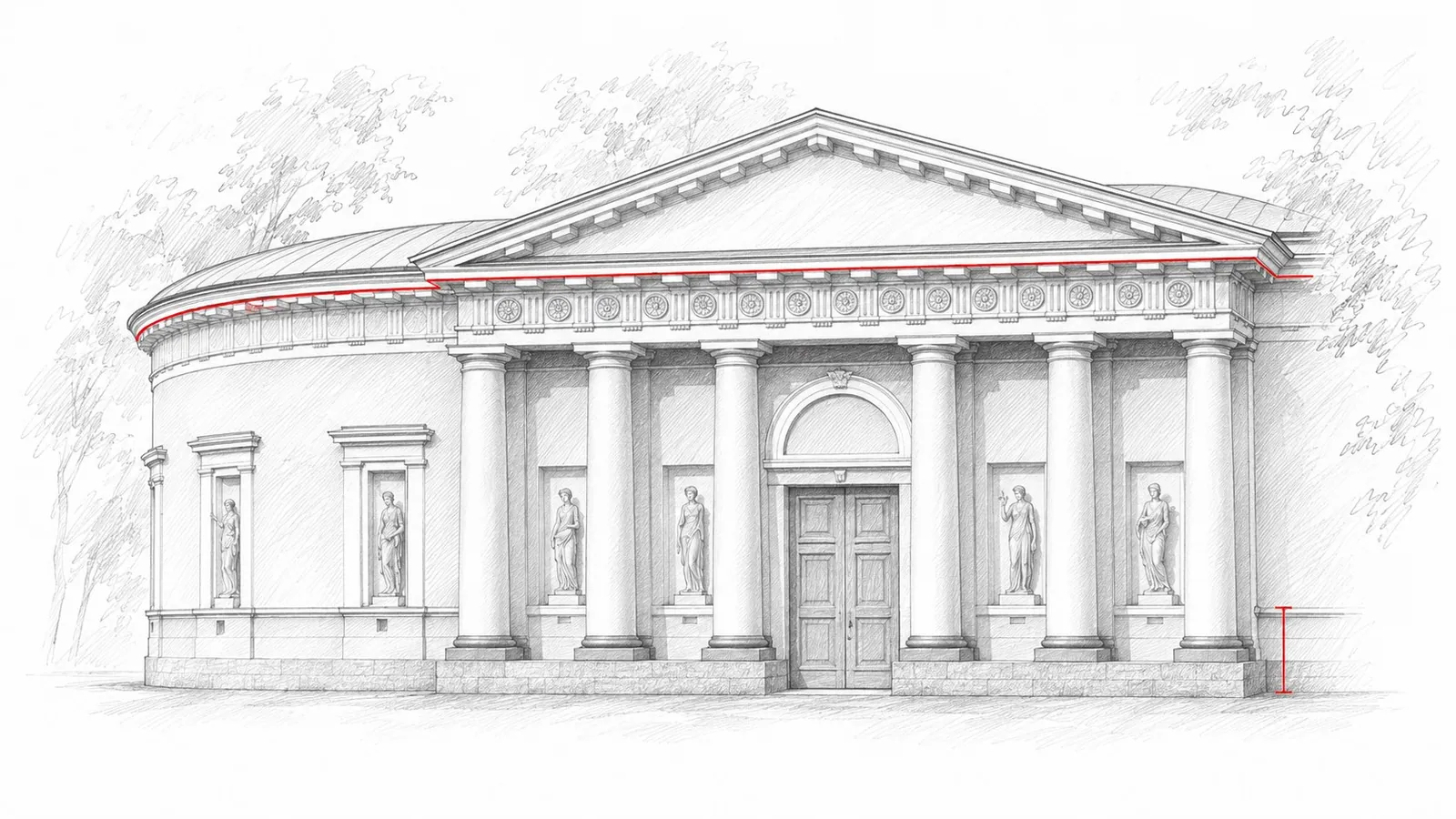
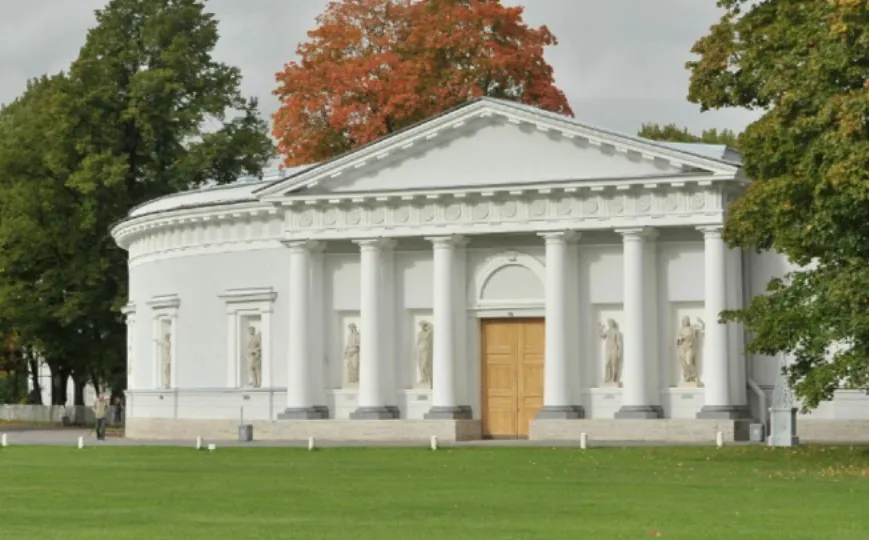 photo3D
Kitchen Building
The Kitchen Building, a heritage site of federal significance and part of the Yelagin Island Ensemble architectural complex. Restoration and adaptation for modern use, designer's supervision.
discuss your project
+7 (989) 577-75-77Elena, office administrator
info@endovitckii.ruOffice2 Krylatskaya Street, Moscow
The administrative building on the Rowing Canal, gallery, floor 3, offices 10-12.
Free parking. Passes are arranged through the office administrator.