Chinese Theatre
- LocationAlexander Park, Pushkin, St Petersburg
- StatusHeritage site of federal significance
- Years of work2016
- Whose experienceSpecialists from Vadim Endovitckii's team
History of the house in 3D
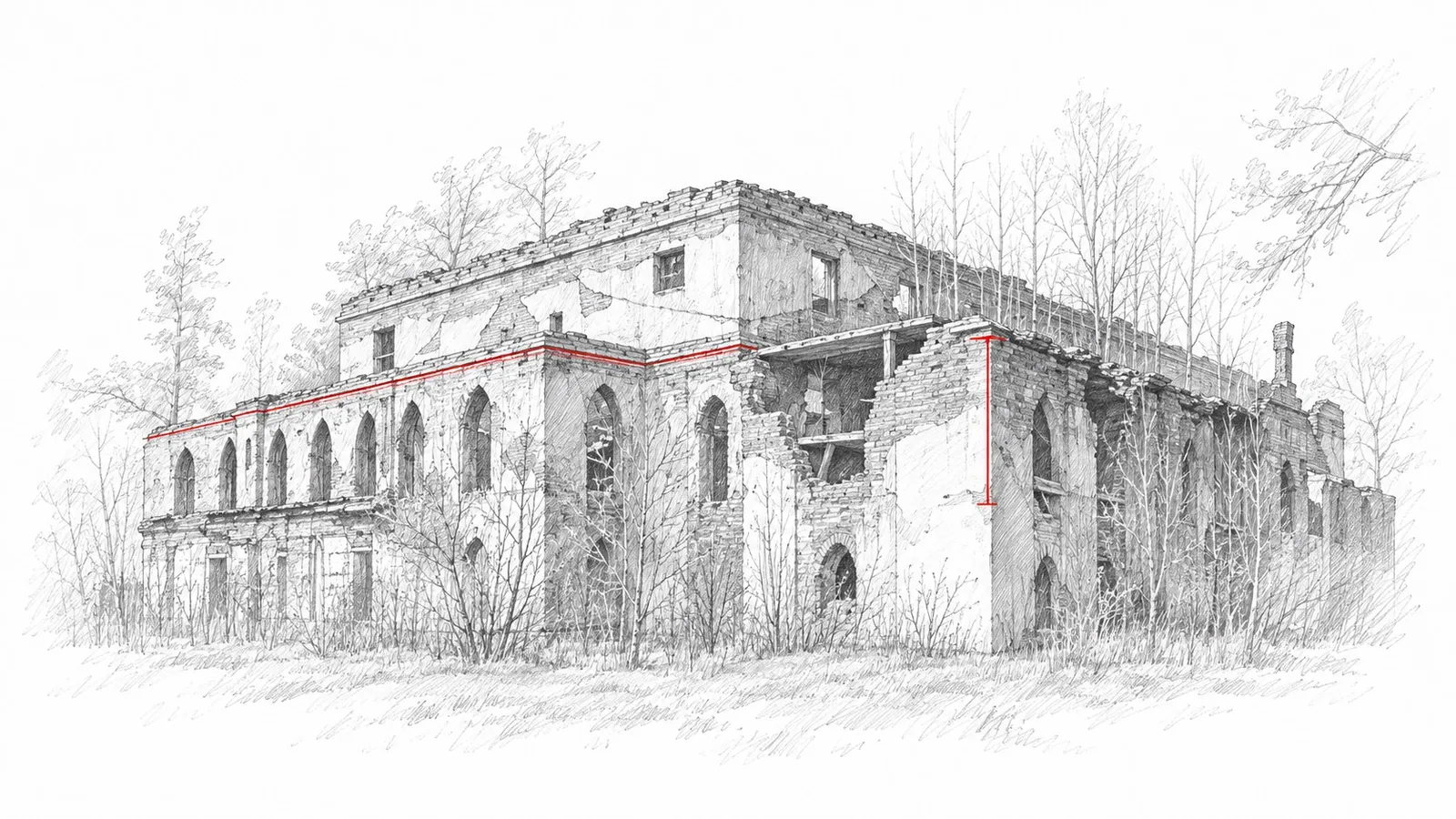
Scroll down: a stone theatre with a high roof will rise in the New Garden, gain side wings and burn out in 1941, and the cross-section will show the walls and foundations of the ruin that our team surveyed.
- [01]1777
A square in the New Garden
In one of the squares of the New Garden the first plan was for an “air theatre” open to the sky, with turf benches. In 1777 Antonio Rinaldi designed a stone theatre in the chinoiserie style then in fashion.
- [02]1778-1779
A stone opera house
The theatre was built by Ilya Neyelov, who noticeably changed the design: white walls with pilasters, a high roof with upturned corners, pointed-arch windows and doors. The 350-seat auditorium had stalls and three tiers of boxes. On 13 June 1779 an opera by Paisiello was performed here for Catherine the Great.
- [03]1908-1909
A year-round theatre
The court architect Silvio Danini thoroughly rebuilt the theatre: the stage was adapted for large operas and ballets, the timber structures were replaced with metal ones, and heating made winter performances possible. According to Sobaka.ru, two-storey wings for a foyer and a buffet were added on both sides in 1908-1913.
- [04]1941
Ruin
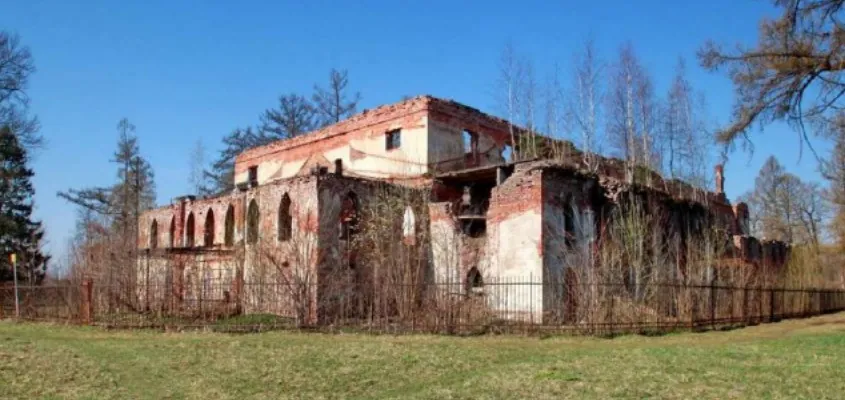
On 15 September 1941, during the shelling of Pushkin, the theatre burned out inside and was left without a roof. It has not been restored since.
- [05]2016
The team's work: survey
For Studio 44's pre-design documentation, Sergey Bogdanov carried out comprehensive surveys of the load-bearing structures, engineering geological surveys and the geotechnical assessment for the reconstruction. The cross-section shows the load-bearing walls and foundations.
- [06]2021-2022
Emergency works
With federal funds the interior was cleared, the windows were temporarily blocked up, temporary roofs were put over the annexes and the ramp, and temporary structural scaffolding was erected. The museum estimates that this will preserve the ruin for at least five years.
- [07]design stage
Design: a collection store and a hall
The Tsarskoye Selo State Museum and Heritage Site is preparing a design to restore the theatre's exterior. There are no plans to recreate the interior decoration in full: inside, a store for the museum collections and a hall for concerts and lectures are proposed.
The model is based on open data: the outline and the park lawns are from OpenStreetMap; the history is from the Tsarskoye Selo State Museum and Heritage Site, Wikipedia, KGIOP (the St Petersburg heritage protection committee) and Sobaka.ru; the appearance has been checked against early 20th-century photographs and photographs of the ruin. The division into auditorium, vestibule and wings and the heights are shown schematically, and the upturned roof corners are shown schematically too, as light spikes along the edge of the eaves. The last step is the museum's concept, and its appearance is notional.
Restoration and adaptation of a heritage site of federal significance, Pushkin, St Petersburg.
Pre-design documentation. Studio 44 Architects // Sergey Bogdanov: comprehensive surveys of the load-bearing structures, engineering geological surveys, geotechnical justification for the reconstruction.
This is the experience of specialists who now work in Vadim Endovitckii's team, from their earlier projects, not from the company's contracts.
The Chinese Theatre stands in the formal part of the Alexander Park, in the New Garden, to the left of the entrance. At first there were plans to lay out an open-air theatre on this site. In 1777 Antonio Rinaldi designed a stone theatre in the chinoiserie style fashionable under Catherine the Great, like the neighbouring Chinese Village, and Ilya Neyelov built it in 1778-1779. Outside, the building was quite European: the exotic touch came from the high roof with upturned corners, the pointed-arch windows and doors, and a multicoloured cornice of intricate design, lost in the 19th century.
The boxes, proscenium and ceiling were decorated with figures of Chinese people, dragons and signs of the zodiac; the imperial box and the grand ducal boxes had genuine Chinese lacquer panels, porcelain and furniture, and the curtain was painted by Joseph Christ. On 13 June 1779 Giovanni Paisiello presented his opera “Demetrio” here to Catherine the Great. In 1830 “The Barber of Seville” was sung in the theatre with Henriette Sontag, and in 1902 a gala performance was given for the French President Émile Loubet, for which electric lighting was installed.
In 1908-1909 the theatre was thoroughly overhauled under the court architect Silvio Danini: the stage was re-equipped for large opera and ballet productions, the timber structures were replaced with metal ones, an iron safety curtain was installed, and heating made it possible to perform all year round. Performances stopped when the First World War began and resumed in summer 1930. On 15 September 1941, during the shelling of Pushkin, the theatre burned out inside and was left without a roof.
Since 2017 pre-design work has been under way on restoring the exterior; inside, it is proposed to house a store for the museum collections and a hall for concerts and lectures. In 2021-2022 emergency works were carried out with federal funding: the interior was cleared, the windows were temporarily blocked up, a temporary roof was put over the historical annexes and the ramp, biological growth was removed and temporary structural scaffolding was erected. The museum intends to complete the design and cost documentation and is looking for funding for the restoration.
Sources:
- Tsarskoye Selo State Museum and Heritage Site: Chinese Theatre
- KGIOP: Chinese Theatre
- Wikipedia: Chinese Theatre (Tsarskoye Selo)
- Sobaka.ru: plans to restore the theatre
- Sobaka.ru: emergency works of 2021-2022
- St Petersburg State University: geotechnical analysis of the Chinese Theatre, GFAC 2019
- OpenStreetMap: building outline
Other team projects
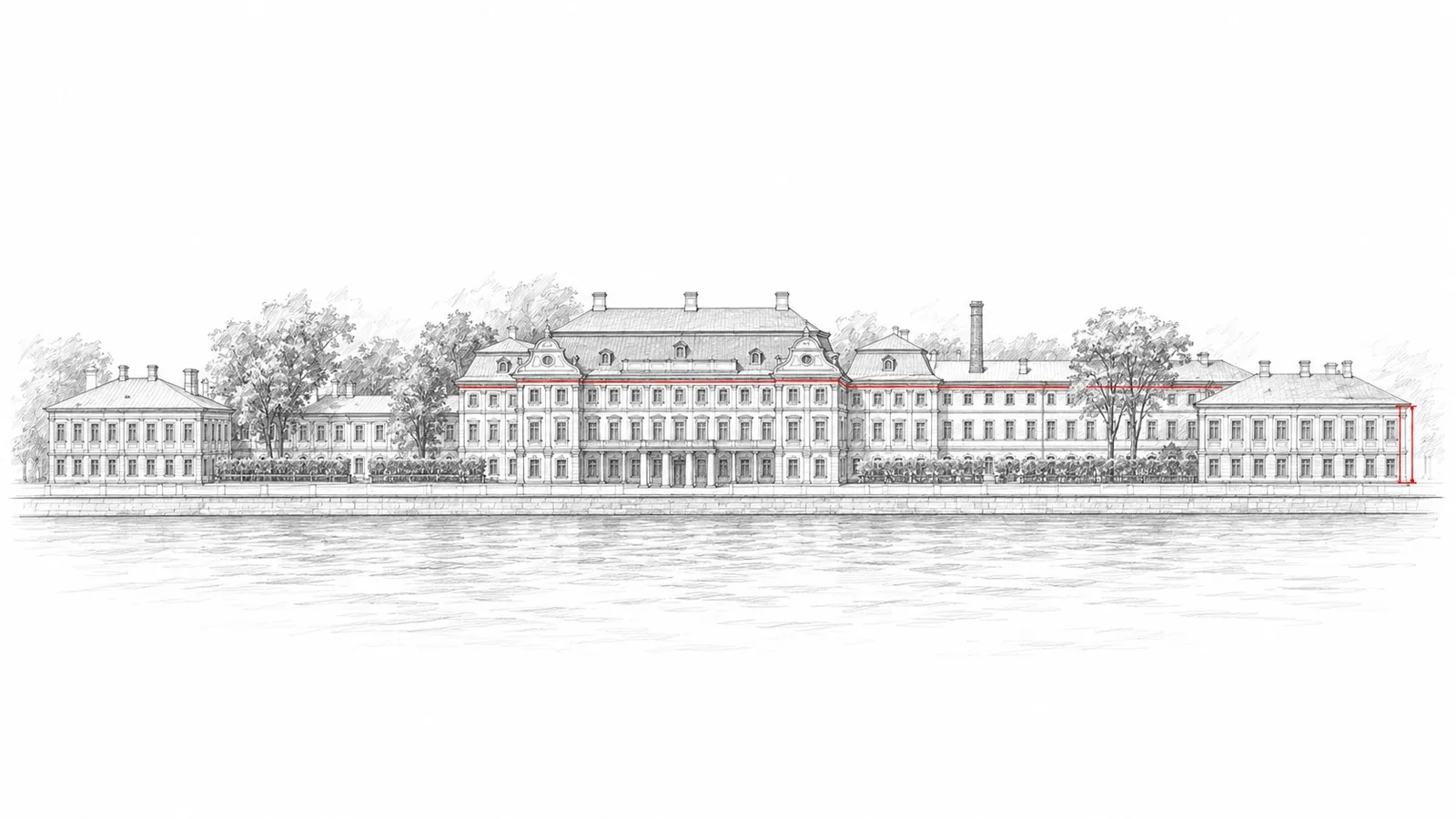
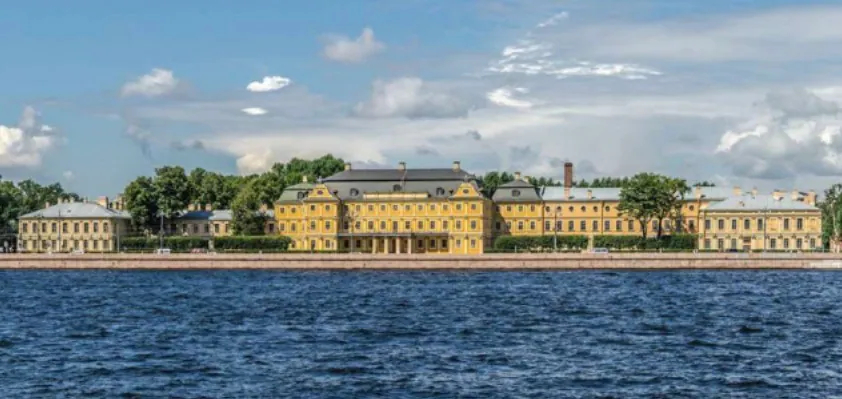 photo3D
Menshikov Estate
Restoration and adaptation of a heritage site of federal significance, St Petersburg.
Pre-design and design documentation, state expert review of the design documentation. Studio 44 Architects // Sergey Bogdanov: geotechnical justification for construction and reconstruction, measures to conserve the heritage site, structural design of foundations and below-ground works.
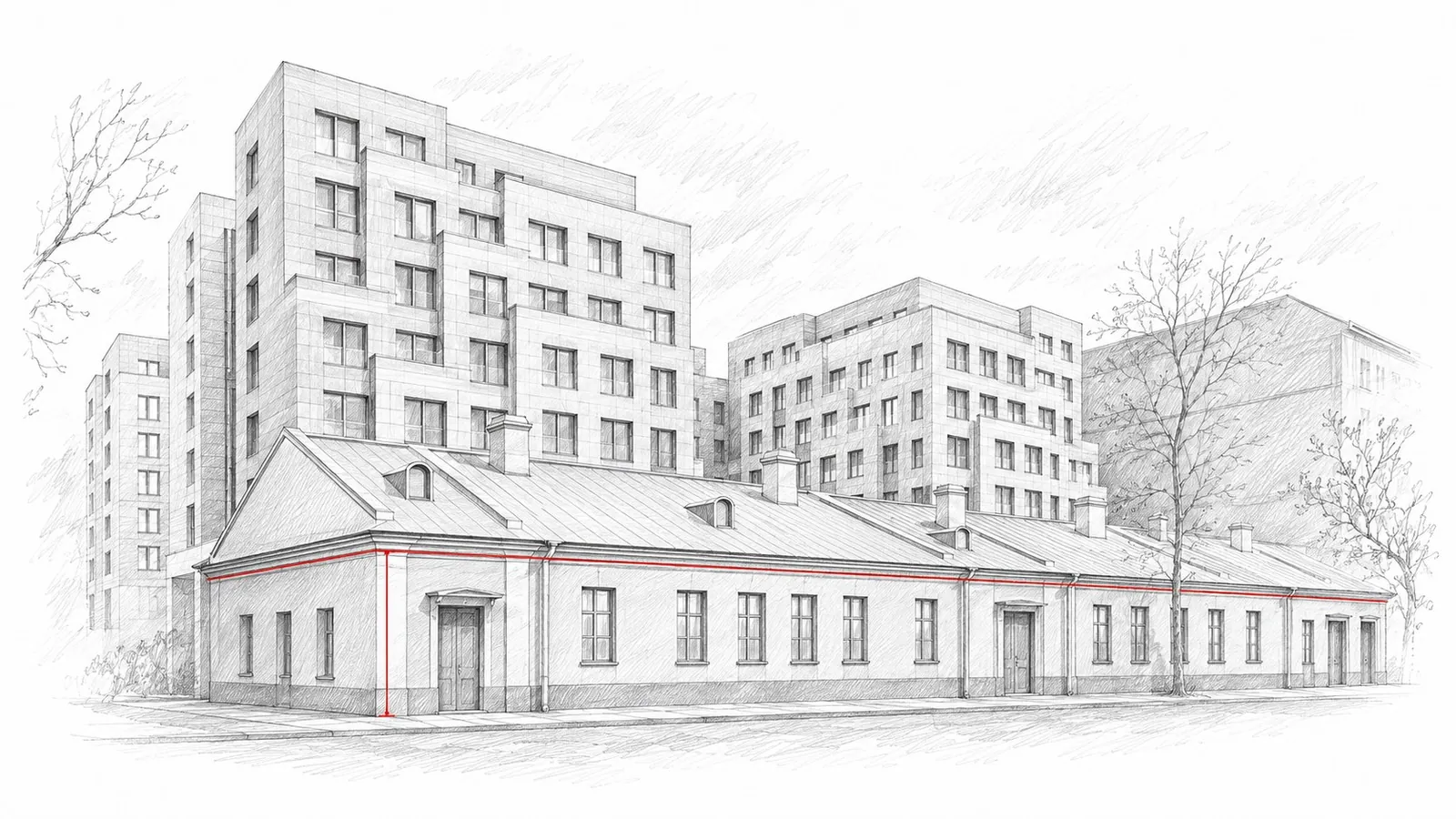
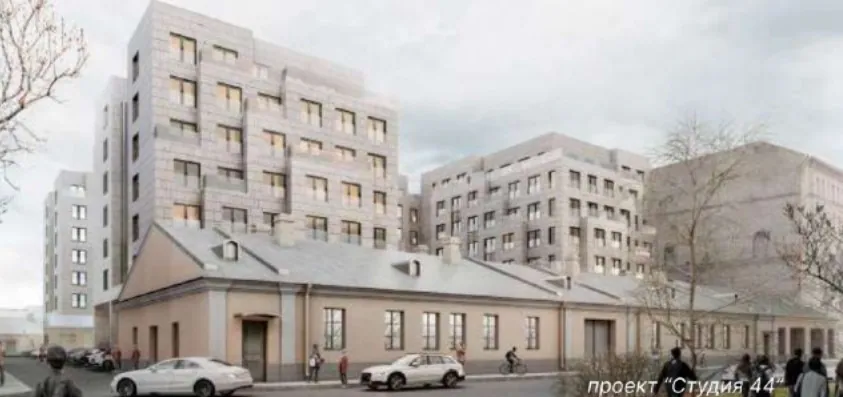 photo3D
Residential complex at 51 Shpalernaya Street
New construction in the historic centre, St Petersburg.
Scientific and technical support for the design, design documentation, designer's supervision, state expert review of the design documentation. SILKO and Geoizol-Proekt // Sergey Bogdanov: chief structural engineer.
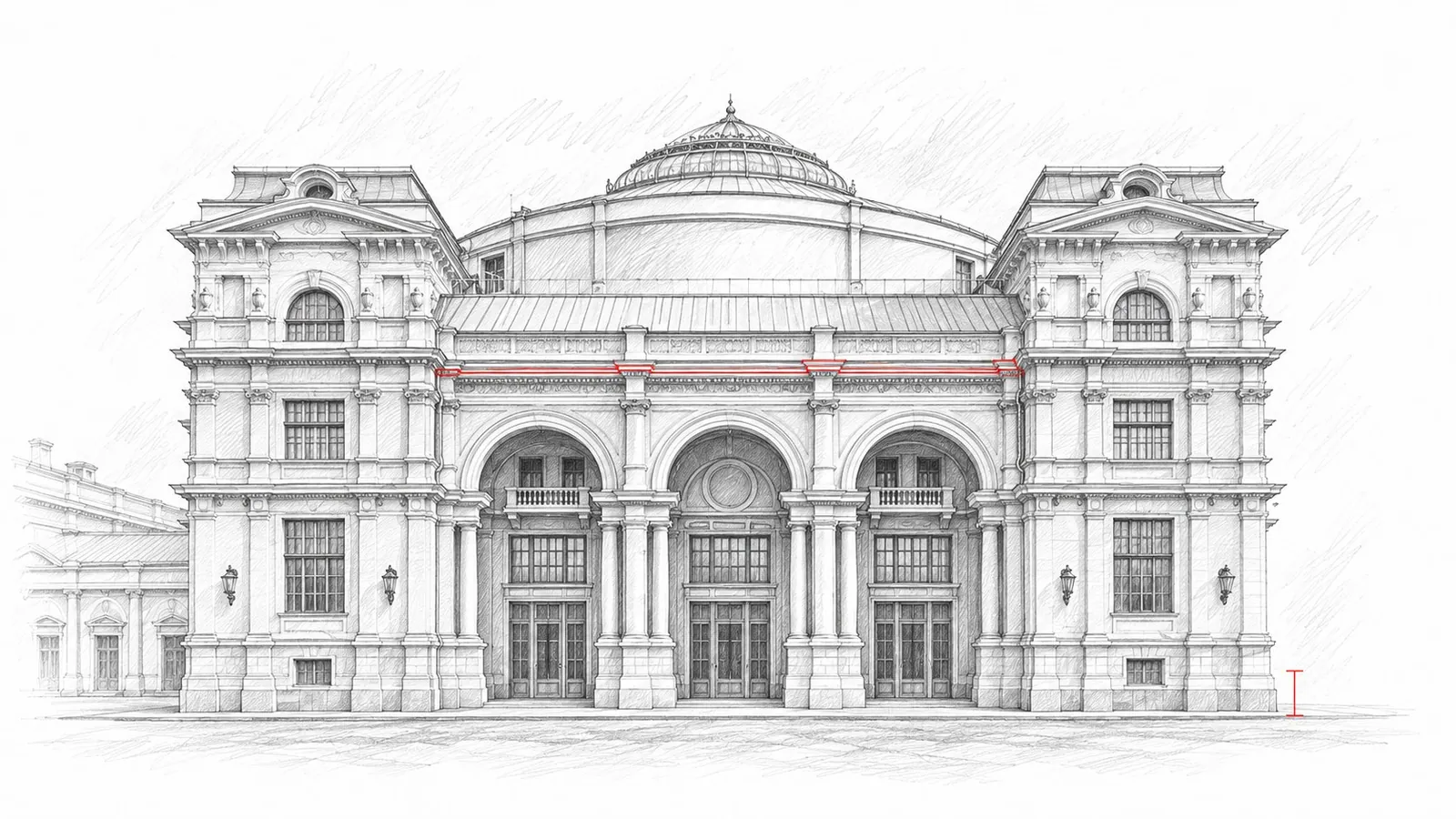
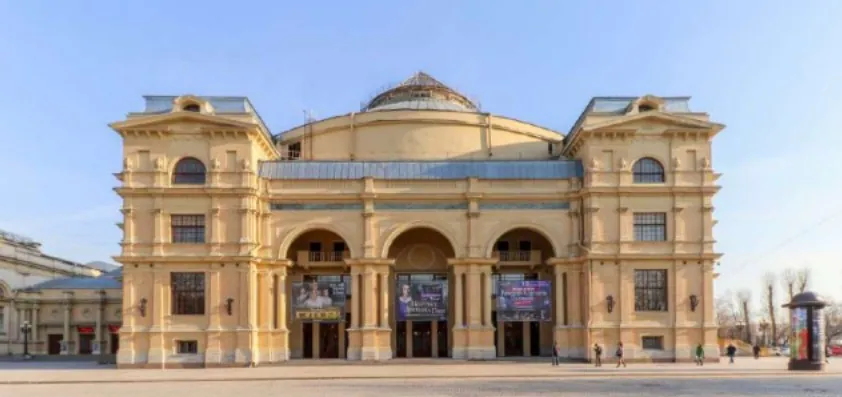 photo3D
Music Hall
Restoration and adaptation, heritage site of federal significance, St Petersburg.
Consulting support for technical adaptation solutions, measures to conserve the heritage site, a revised assessment of the impact of the works // PSB Zhilstroy // Sergey Bogdanov: structural engineer.
discuss your project
+7 (989) 577-75-77Elena, office administrator
info@endovitckii.ruOffice2 Krylatskaya Street, Moscow
The administrative building on the Rowing Canal, gallery, floor 3, offices 10-12.
Free parking. Passes are arranged through the office administrator.