The designer and the engineers: how not to wait for the interior design project to be finished
An annex to the designer's contract that synchronised the teams and saved the schedule.
Vadim EndovitckiiChief Executive Officer, founder
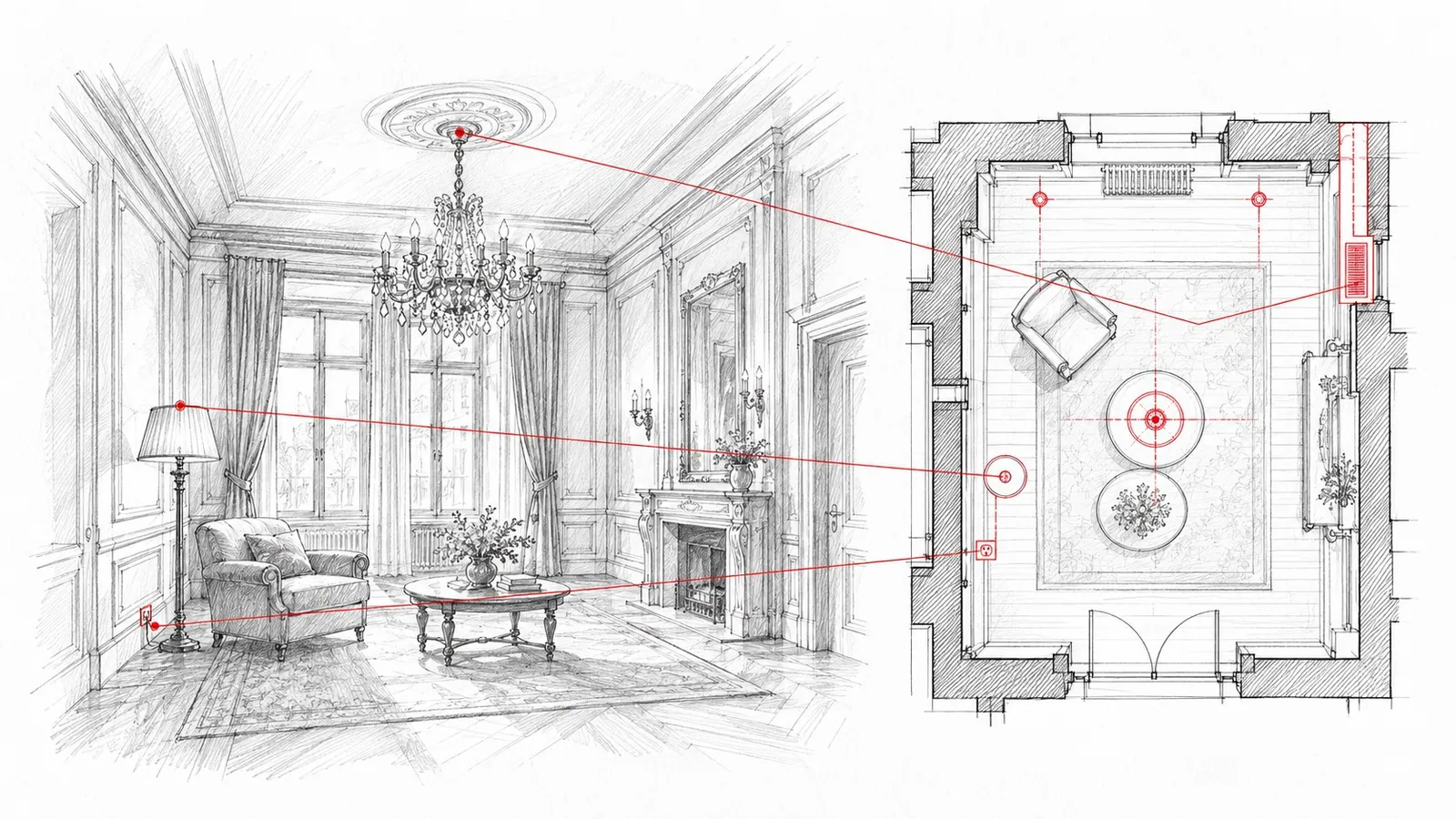
As an example of a balanced schedule, here is a case of working with a client's interior designer. Every property is born in the client's imagination, out of their experience, their trained eye, their taste and their needs. First comes the design of the future property: the picture that has to be brought to life. For the design engineers, the interior designer is the main source of input data. A socket will appear where the design has a lamp, and a ventilation duct won't suddenly crop up on the ceiling to the client's surprise. The construction design has to be a technical copy of the interior design project. That is exactly why it is so important to synchronise the designers' work with the building services engineers. On my first projects I often overlooked these nuances, and the whole team of design engineers just sat twiddling their thumbs, waiting for the interior design project to be finished. This is precisely the stage where the client is most present. Which means its timing is unpredictable.
That is how a mandatory annex to the contract with the designer came about, setting out, for each building services section, the deadlines for issuing input data to the design engineers. This synchronised the work of the different teams and saved a huge amount of time. Because at different stages of the interior design project, it becomes possible to issue briefs for the building services sections. Which lets the design team work without downtime or rework. The ability to use data the moment it appears is a priceless skill that keeps you within the agreed schedule.
Office2 Krylatskaya Street, Moscow The administrative building on the Rowing Canal, gallery, floor 3, offices 10-12. Free parking. Passes are arranged through the office administrator.